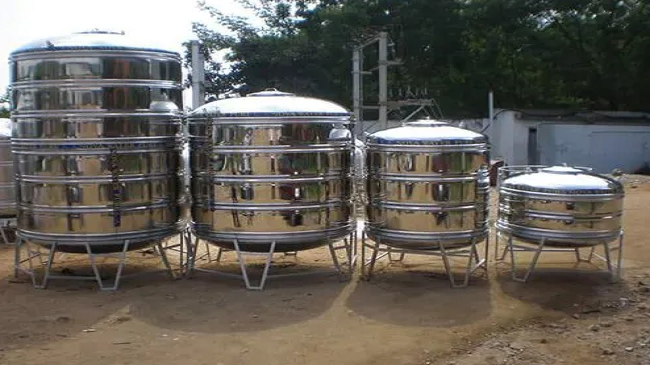
Water storage is an essential aspect of daily life, whether for residential, commercial, or industrial purposes. Choosing the right water tank is crucial to ensure the safety, purity, and long-term reliability of your water supply. Stainless steel water tanks have become a popular choice due to their durability, hygiene, and resistance to various environmental factors. In this article, we explore the top 7 facts about stainless steel water tanks that highlight why they are a preferred option for water storage.
1. Exceptional Durability and Longevity
One of the most significant advantages of stainless steel water tanks is their incredible durability. Stainless steel is a corrosion-resistant material, meaning it is less prone to rust, decay, and degradation when exposed to the elements. Unlike plastic tanks, which can degrade over time due to UV rays, or steel tanks that may rust if not properly coated, stainless steel tanks are designed to withstand harsh weather conditions.
- Key Point: A well-maintained stainless steel tank can last for 20 to 30 years or even longer, depending on the quality of the steel and care given to it. This makes them an ideal long-term investment for both residential and commercial use.
The resilience of stainless steel also means that it can resist impacts and damage that may otherwise compromise the integrity of other tank materials. This makes it an excellent choice for areas prone to extreme weather, such as high winds or heavy snow, where durability is a major consideration.
2. Non-Toxic and Safe for Drinking Water
When it comes to water storage, safety is a top priority. Stainless steel tanks are non-toxic, making them a safe option for storing drinking water. Unlike plastic tanks, which may leach harmful chemicals into the water over time, stainless steel is chemically inert and does not release any harmful substances into the stored water.
- Key Point: Stainless steel ensures that the water stored remains pure and free from contamination, maintaining the water's natural taste and quality. This makes it an ideal choice for households, schools, hospitals, and other establishments where water purity is essential.
Additionally, stainless steel is resistant to bacterial growth, making it a hygienic option for storing water. Regular cleaning and maintenance are easy to perform, ensuring that the water remains clean and safe for consumption.
3. Corrosion and Rust Resistance
Stainless steel is highly resistant to corrosion, which is a major issue for many other materials used in water tanks. Water, particularly in coastal areas where salty air is prevalent, can cause significant corrosion in traditional steel tanks. However, stainless steel tanks are designed to withstand exposure to harsh environments without rusting or corroding.
- Key Point: Stainless steel’s resistance to corrosion extends the lifespan of the tank and prevents the contamination of the water with rust particles, ensuring the stored water remains clean and potable.
The corrosion-resistant properties of stainless steel are further enhanced by its protective layer of chromium oxide, which forms naturally when the steel is exposed to oxygen. This protective layer helps to prevent rust formation and ensures the tank’s longevity, even in humid or highly corrosive environments.
4. High Strength and Load-Bearing Capacity
Stainless steel is known for its exceptional strength-to-weight ratio, meaning it is both lightweight and highly durable. This makes stainless steel tanks particularly useful for large-scale water storage, as they can bear heavy loads and resist pressure without compromising their structural integrity.
- Key Point: Stainless steel tanks are ideal for both large and small installations. They can withstand significant internal and external pressure, making them suitable for storing large volumes of water without risk of deformation or failure.
This strength makes stainless steel tanks especially useful for applications where high-pressure conditions are common, such as industrial settings or when installed in multi-story buildings. They can handle the weight of water without risk of buckling, unlike some plastic tanks that may deform under pressure.
5. Easy Maintenance and Cleaning
One of the key benefits of stainless steel water tanks is the ease of maintenance and cleaning. Stainless steel’s smooth surface makes it easy to clean, preventing the accumulation of dirt, algae, or other contaminants that may affect the water quality. Regular cleaning ensures that the water remains fresh and free from impurities.
- Key Point: Stainless steel tanks require minimal maintenance compared to other materials like concrete or plastic. The surface doesn’t harbor bacteria or mold, making it easier to maintain clean water over the long term.
Cleaning stainless steel tanks typically involves a simple process of scrubbing the interior and using water and mild cleaning agents to remove any residues. Since the material does not absorb water or hold onto particles like other materials, bacteria growth is minimal, making it ideal for hygienic storage.
6. UV Resistant and No Degradation
Unlike plastic water tanks, which can degrade over time due to prolonged exposure to UV radiation, stainless steel tanks are completely UV-resistant. Plastic tanks are often vulnerable to UV rays, which can cause the material to become brittle, crack, and eventually leak, especially if the tank is exposed to direct sunlight for long periods.
- Key Point: Stainless steel water tanks are not affected by UV radiation and will not degrade or weaken under the sun’s rays. This makes them perfect for outdoor installations where exposure to sunlight is inevitable.
In addition to UV resistance, stainless steel is also resistant to temperature fluctuations. Whether exposed to extreme heat or cold, stainless steel maintains its structural integrity, unlike plastic tanks, which may warp or crack under extreme conditions. This makes stainless steel tanks a versatile option in any environment.
7. Aesthetic Appeal
While functionality is essential when choosing a water tank, aesthetics can also play a role in the decision-making process. Stainless steel tanks have a sleek, modern appearance that can complement a variety of settings. Their shiny, reflective surface gives them a polished, industrial look that may suit urban or contemporary environments.
- Key Point: Stainless steel tanks can be used in areas where the tank is visible, as they blend well with various architectural styles. Their high-end finish can give your property a more sophisticated, clean, and organized appearance.
For residential or commercial properties, stainless steel water tanks can be an attractive and functional addition to your water storage system, particularly when other tank materials might look out of place.
Conclusion
Stainless steel water tanks offer numerous advantages, making them an ideal choice for both residential and industrial water storage needs. From their exceptional durability and corrosion resistance to their non-toxic, hygienic properties, these tanks provide a long-term, reliable solution for water storage. Stainless steel tanks are built to last, requiring minimal maintenance and offering high strength and load-bearing capacity, making them suitable for various applications.
Whether you are looking for a tank to store drinking water or for agricultural and industrial purposes, stainless steel’s combination of durability, safety, and aesthetic appeal makes it a standout option. By choosing stainless steel, you are investing in a water storage solution that will serve you well for years to come, ensuring your water remains safe, clean, and accessible at all times.
Comments
Post a Comment